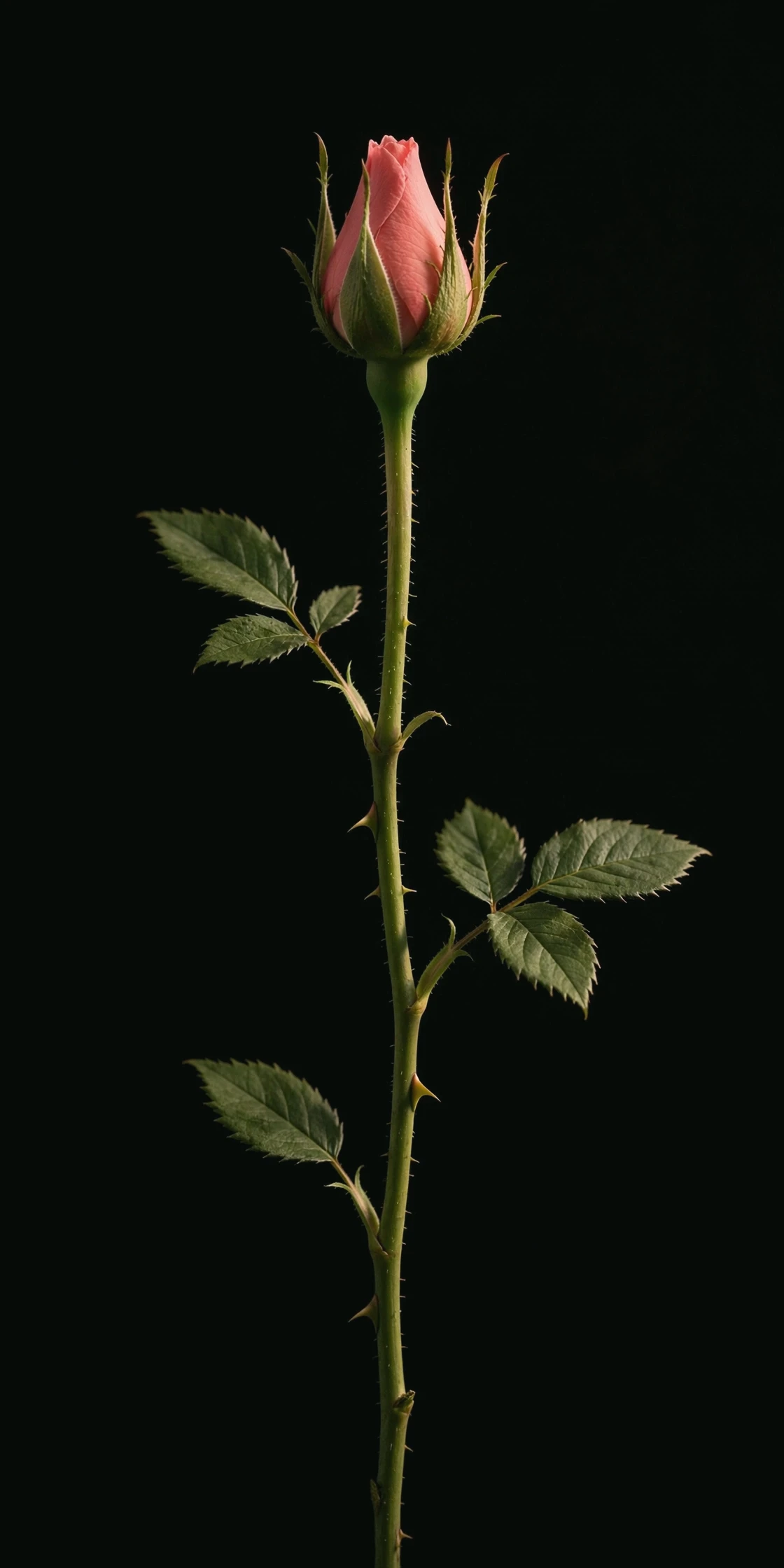
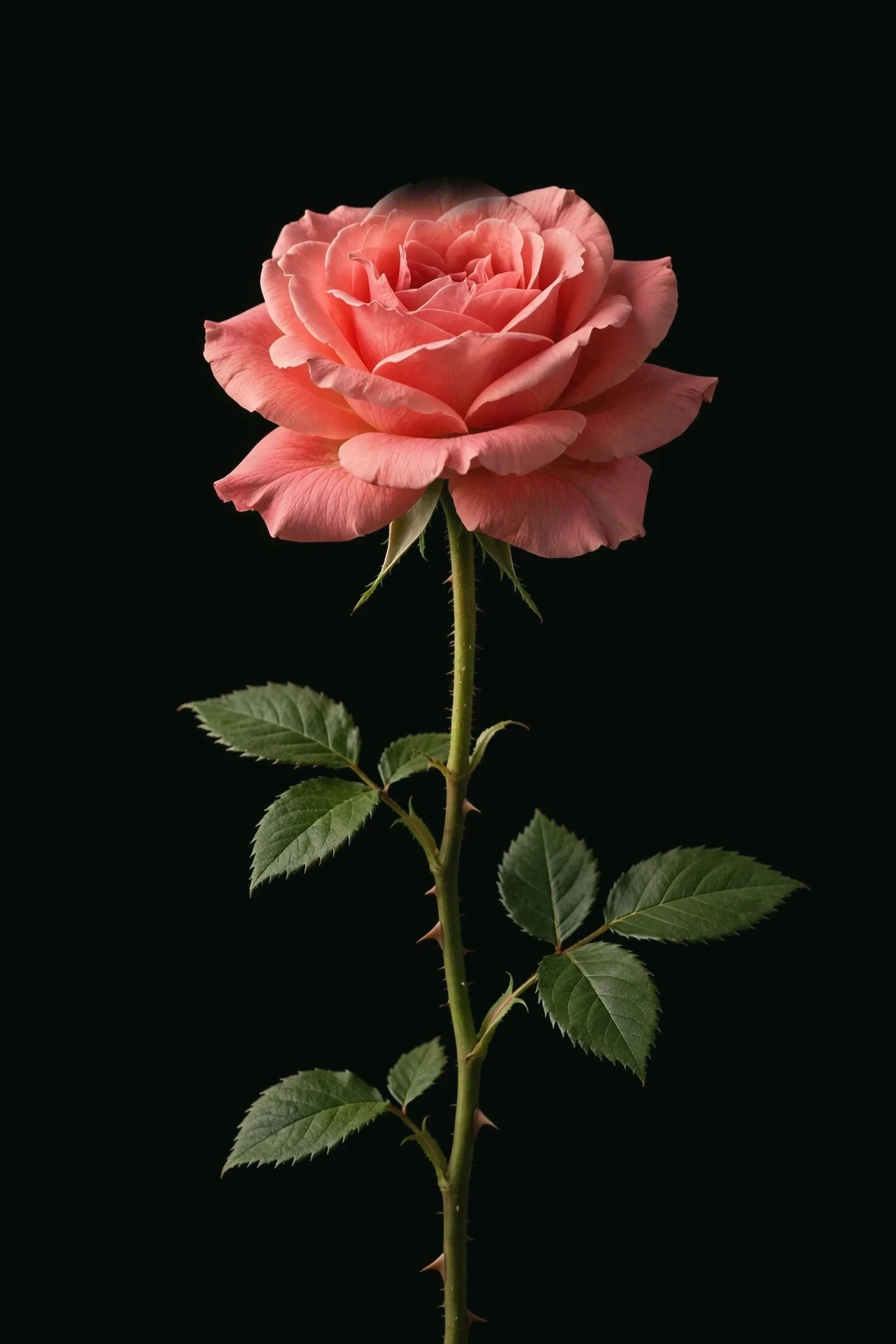
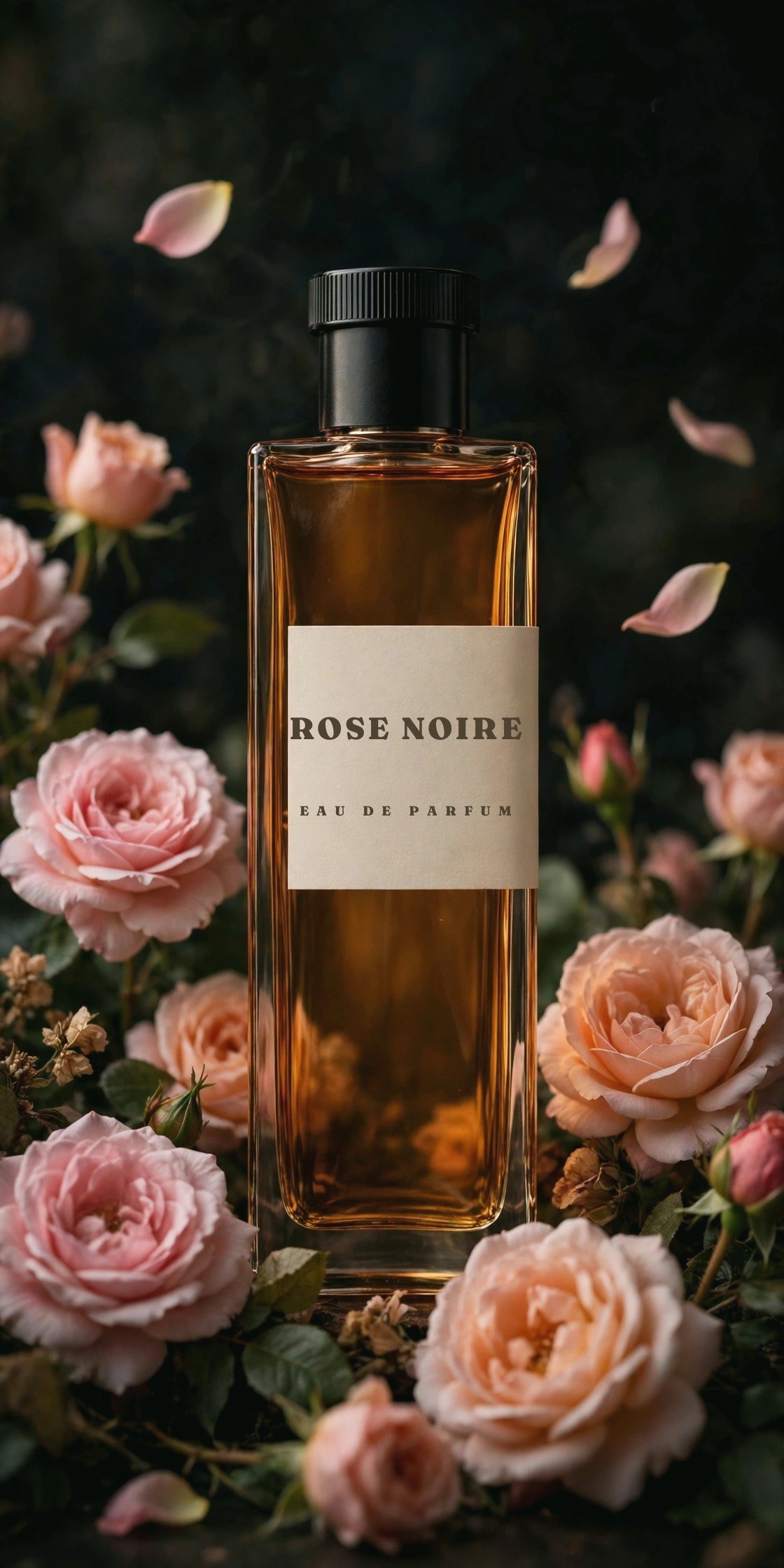
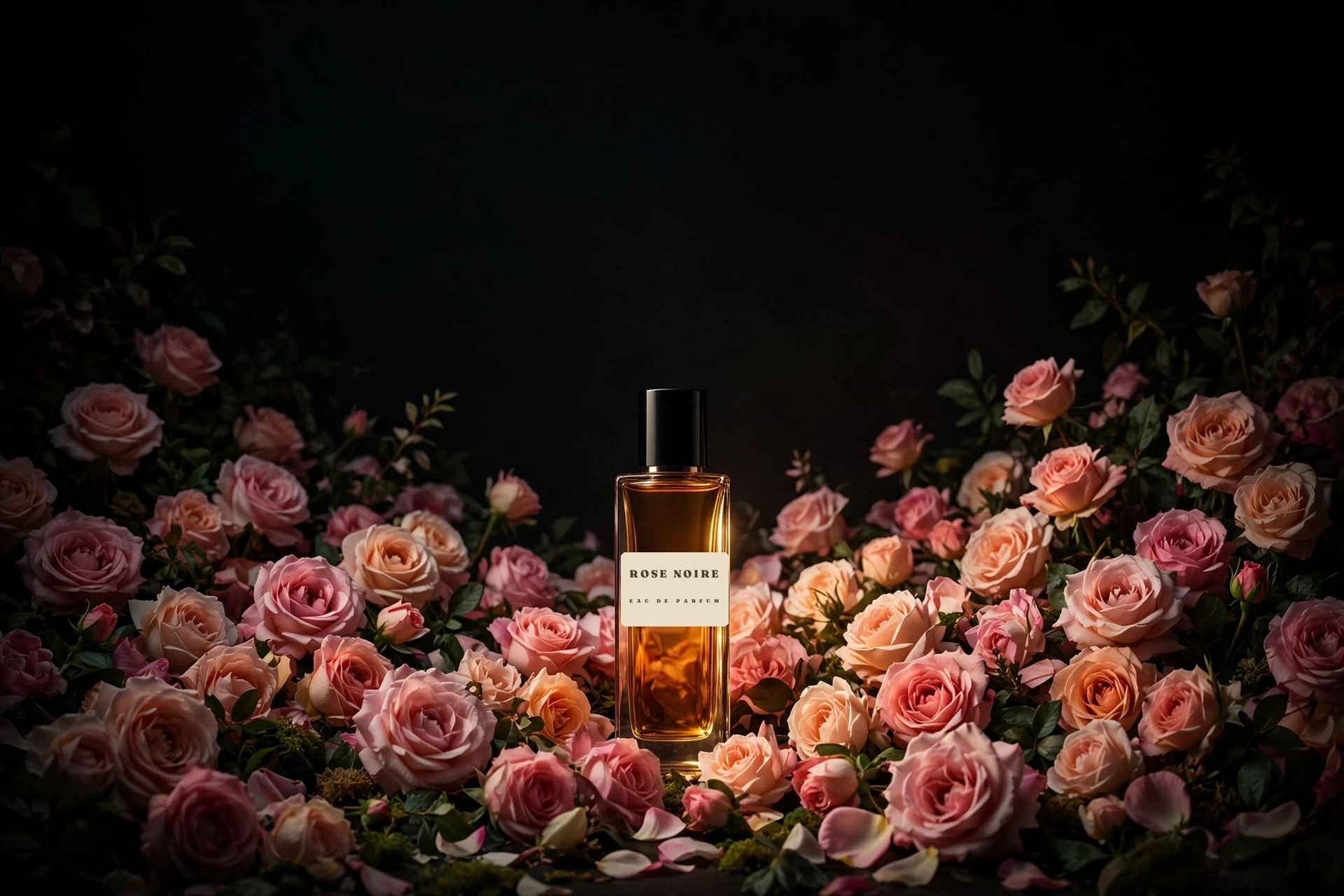
Rosa damascena is cut by hand between five and nine in the morning, before the sun burns off the lightest molecules. It takes roughly 3,500 kilos of petals to distil a single kilogram of rose otto. Everything the finished perfume is capable of becoming is decided here, in the field, before anyone has touched a bottle.
The same rose grown in Isparta and in Kazanlak smells measurably different. Soil, altitude and aspect rewrite the balance of citronellol and geraniol in the oil, which is why the house buys from two fields and never blends them away.
Extraction
/02·EXTRACTION
Capturingthe Scent
Scent must be pulled out of the plant without being destroyed in the process. Three methods dominate the modern atelier, and each gives a different smell from identical material. Distillation is bright and sharp; solvent work is rounder, and closer to the living flower.
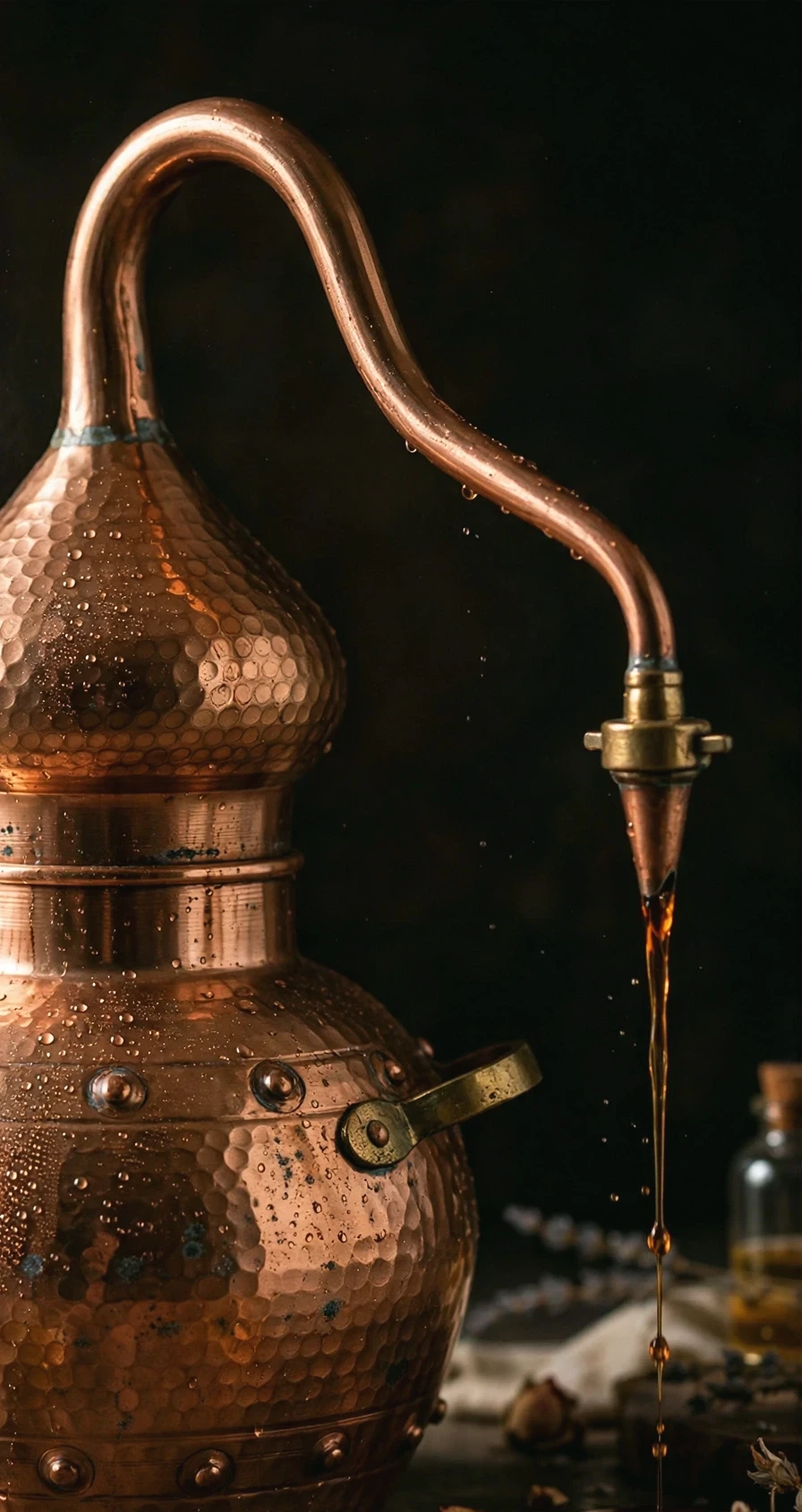
Steam ruptures the plant cells and carries the oil over. It separates from the water in the Florentine flask. Fast and clean, but heat destroys the most fragile molecules.
Low HeatConcrete to Absolute
Solvent Extraction
A solvent washes the scent out at low temperature, leaving a solid concrete which is then washed with alcohol into an absolute. The closest record of how the flower actually smells.
Near Room TempNo ResiduePrecise
CO2 Extraction
Carbon dioxide held between gas and liquid lifts the scent compounds at near room temperature and leaves nothing behind. Precise, expensive, and true to the flower.
Structure
/03·STRUCTURE
Top, Heartand Base
A perfume is not one smell but a sequence. Molecules leave the skin in order of their weight, so a fragrance is composed in three overlapping layers. What you smell in the first minute is almost never what you are still wearing at dinner, and beginners consistently overbuild the part that disappears first.
The opening: bergamot, lemon, mint, pink pepper. They evaporate fastest, and their only job is to make the first impression and then step out of the way.
20 min – 1 hrFloralSpice
Heart Notes
The body of the composition: rose, jasmine, iris, cinnamon. This is where the character of the perfume actually lives, and where most of the material budget should go.
6+ HoursWoods & ResinsFixative
Base Notes
Sandalwood, vetiver, labdanum, musk. Heavy and slow, they anchor the lighter notes in place and decide how long the perfume survives on skin.
Maturation
/04·MATURATION
Rest,Filter,Bottle
The final stage is patience. A freshly mixed perfume smells raw and alcoholic, and the molecules need weeks in the dark before they settle into each other. Skipping it is the most common beginner mistake.
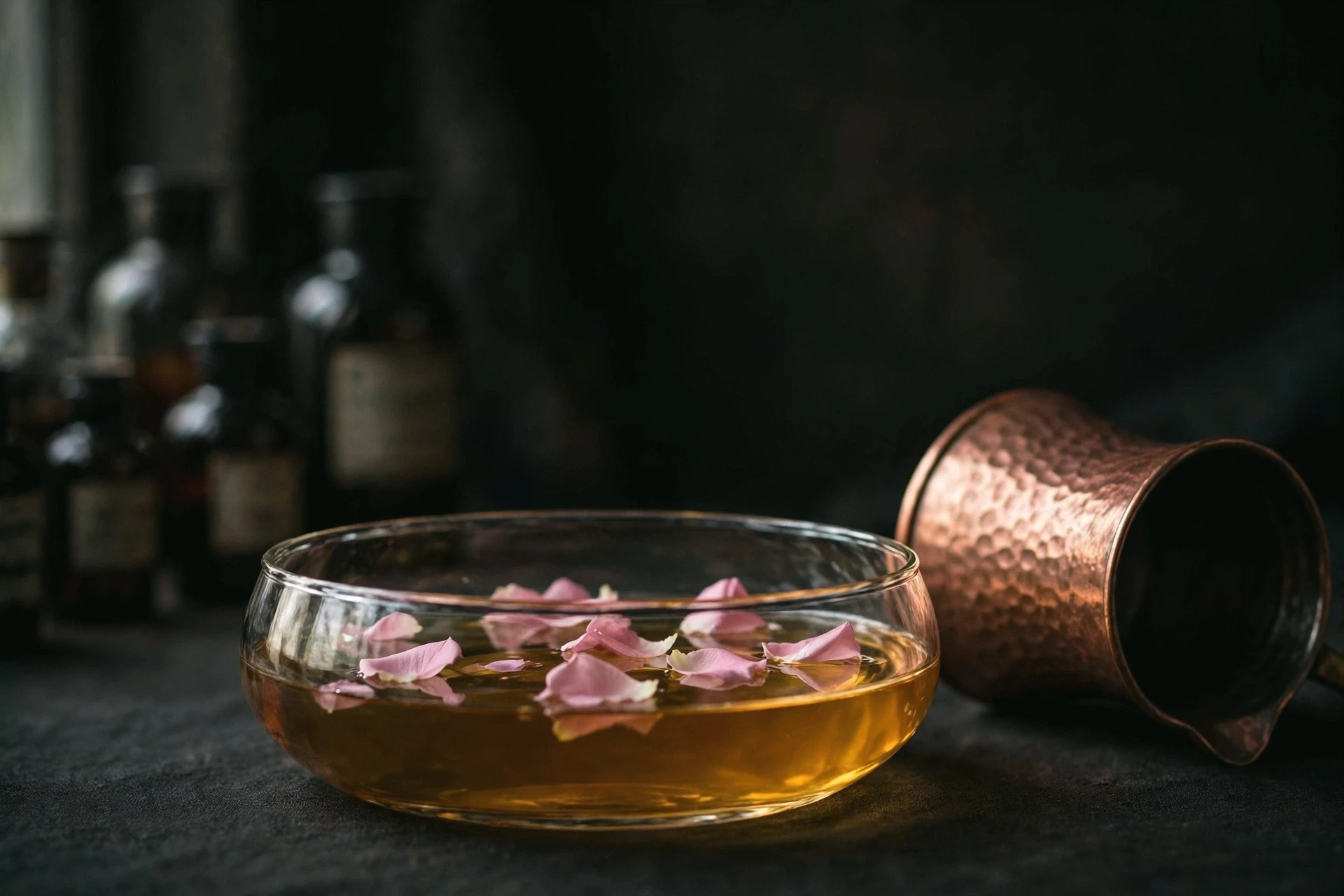
The concentrate rests in alcohol away from light. Sharp edges round off, the alcohol note recedes, and the accord finally knits together into one smell.
Low Temp48 HoursClarity
Cold Filtration
Chilling forces waxes and plant residue out of suspension so they can be filtered away. This is what makes a finished perfume clear rather than cloudy.
Amber GlassRested AgainNumbered
Bottling & Ageing
Filled into amber glass that keeps out the light, then rested once more. A perfume bottled too young is a letter of intent. A rested one is a finished sentence.
THE COLLECTION
Rose Noire, the first composition
Rosa damascena from the June cut, carried through all four stages and rested eight weeks before bottling. One hundred numbered flacons, filled by hand in the atelier.
The composition, in brief
Top: bergamot and pink pepper. Heart: damask rose, jasmine, a trace of iris. Base: sandalwood, labdanum, musk. Enquiries for the numbered list are open now; write to the atelier at atelier@maisonrose.example and the house will reply with the spring list.